CENTRIFUSE.
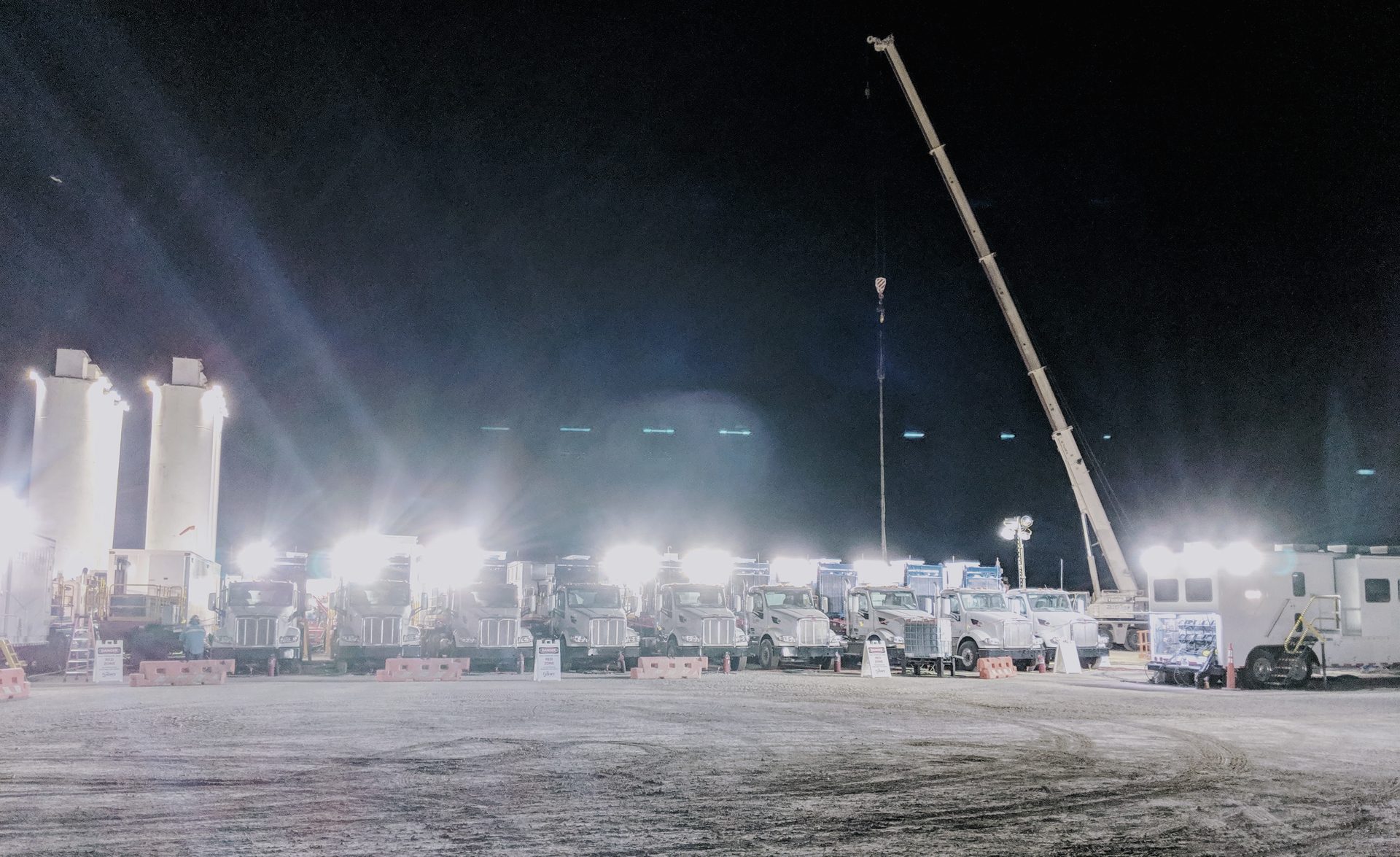
Frac fleet running at night

The best analytics are worthless if the changes they call for die in the datavan.

I'm building the missing piece between the recommendations and actual execution on the pad — working with the crews who run it, not around them.

Tell me where the disconnect is on your pads
The problem

More advice than ever. Less of it acted on.

Optimization vendors, equipment-health systems, the ops center — every one of them is firing recommendations at the datavan. A lot of them are good. Many never get acted on. Not because of the crew, but because each recommendation lands with no situational awareness — it doesn't say why it matters, what it's worth, or if now is even the right time given what else is going on with the fleet — and it arrives as one more number in a datavan already full of them.

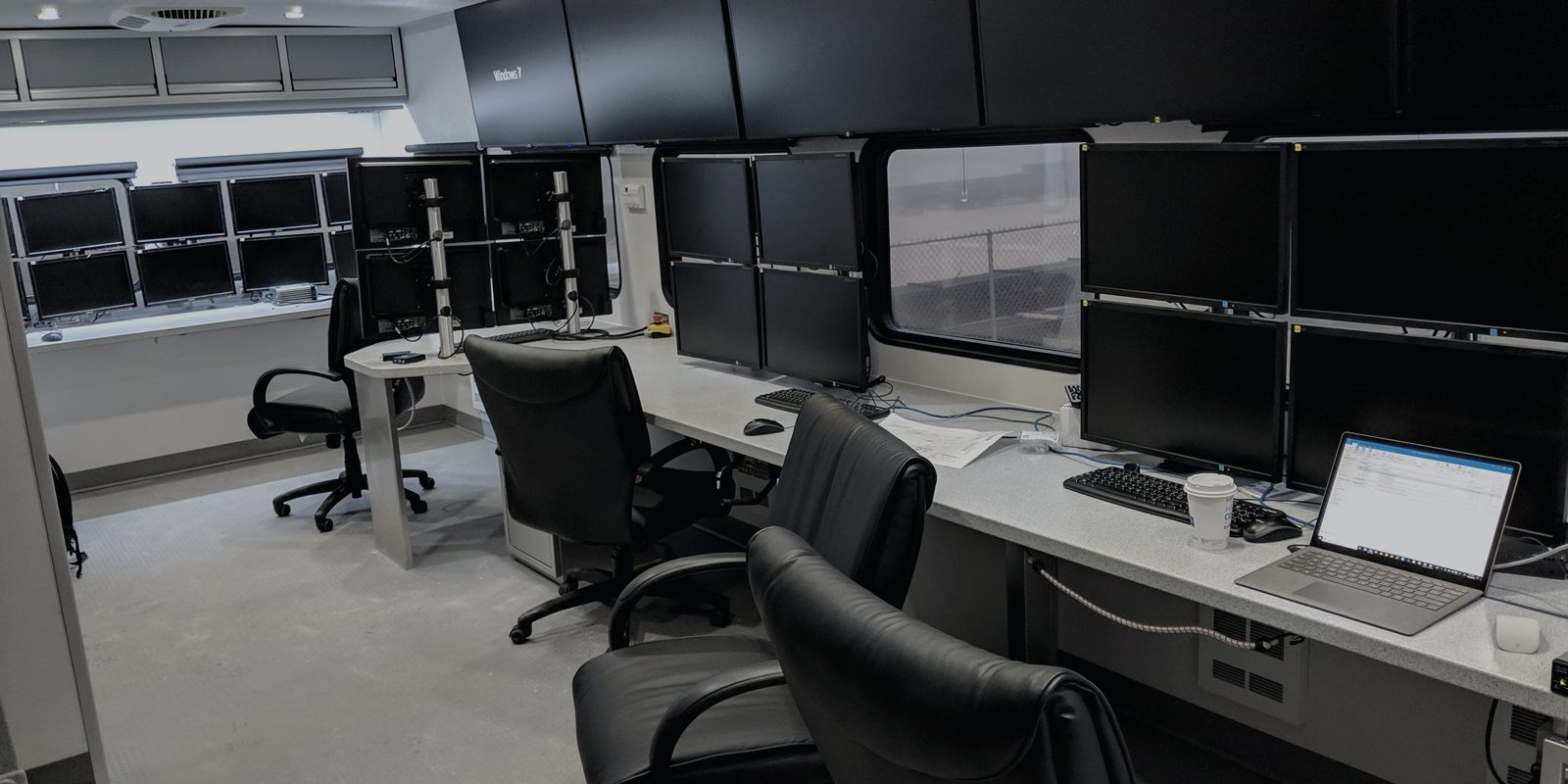
Datavan interior with a wall of screens
Typical datavan setup — 27 screens — before a single recommendation lands.
500 – 1,000+
data points in front of the crew at once
vs
5 – 7
variables a person can actually track 3–5 UNDER STRESS

When the one that matters is buried in that flood, people stop seeing it — conditioned to acknowledge the alert and move on. Not careless; just trained that way by systems built for the data, not the operator. I've watched small misses add up to millions, and a single one cause a catastrophic failure. Nobody ever built the piece that pulls the signal out of the noise and turns it into an action the crew can trust.

Who's building this

I know this industry from the inside.

Over twenty years making technology actually work on the pad. Early on, I built control systems that are still running today. More recently, I was Director of IoT and Automation inside frac companies. I'm not a software guy from another industry who thinks a generic solution will just drop into frac and work. I watched good recommendations get ignored for years and decided to do something about it.

Arden Albert  ·  Connect on LinkedIn ↗

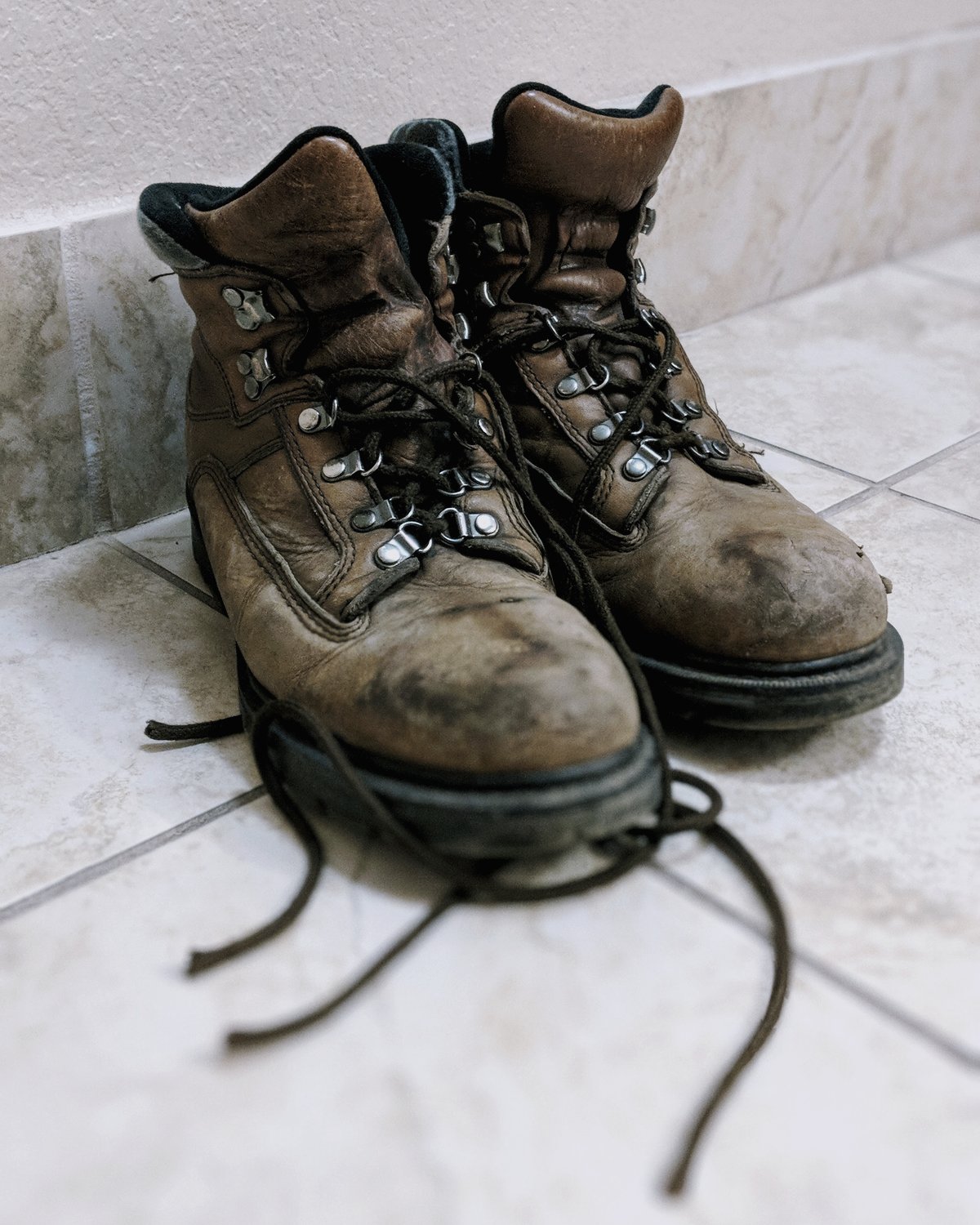
Worn field boots
The Approach

The point isn't to replace the crew. It's to make them sharper.

The crew knows what the sensors miss; the analytics catch what no one person can track. On their own, each is only half the picture — put them together and every call is sharper than either could make alone, and that's what keeps an operation improving instead of stalling out.

Where it goes

Start where you are. It grows from there.

Early analytics deployment

Captures every recommendation and what came of it, so the analytics you've invested in keep getting sharper instead of shelved.

Scaling advanced analytics

As more systems weigh in, each call has to account for the others and for what's happening on the pad right now — so the one that matters in that moment surfaces, not just the loudest.

Closed-loop at scale

A single pipe for automation recommendations — quicker to deploy, lower-risk to update.

It's one layer on top of the controls you already run — nothing to rip out. Because every crew and fleet works through that same layer, recommendations get handled the same way instead of riding on whoever's on the pad that day. Your data stays yours, never pooled or shared across customers. It grows with you toward closed-loop automation, one trustworthy step at a time.

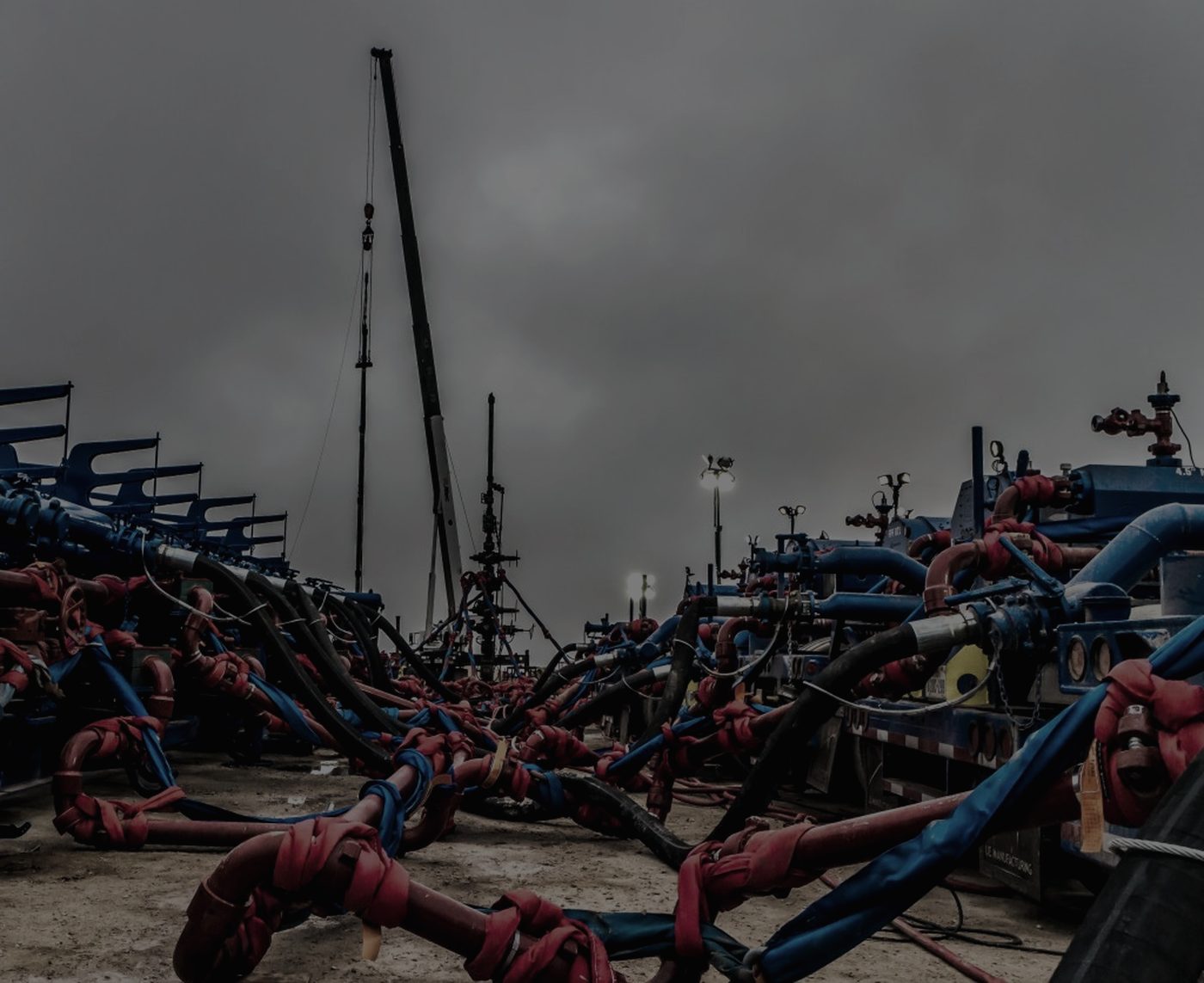
Frac treating iron on location
Let's talk

Good recommendations keep stalling out. If you've watched it happen on your pads, I want to compare notes.

Compare notes